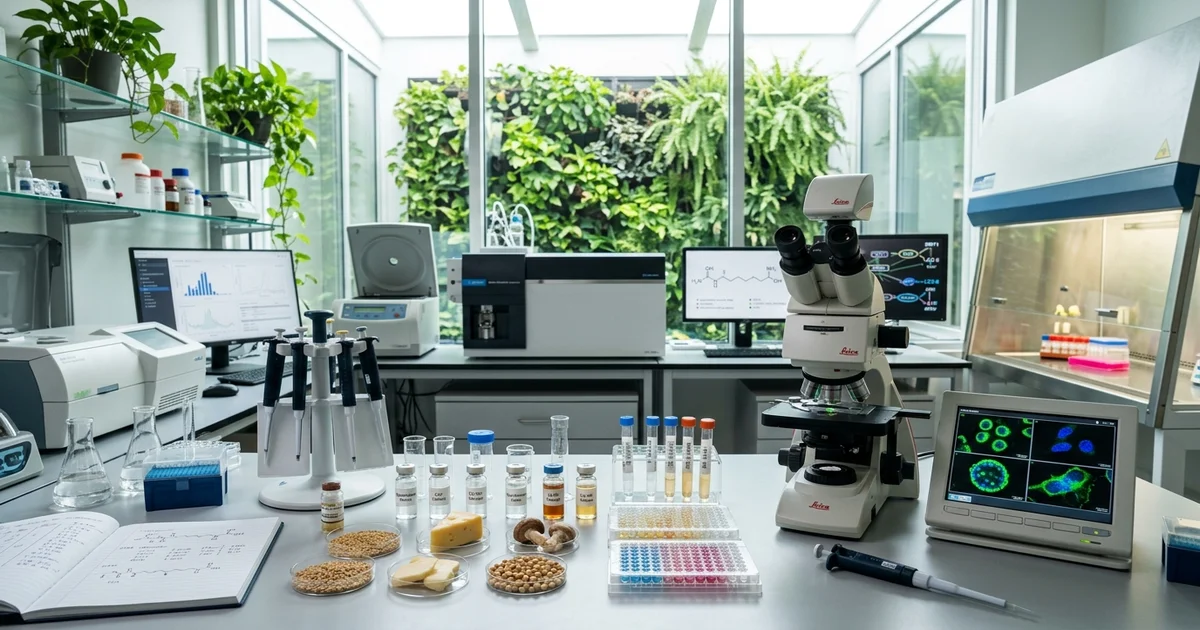
Spermidine research longevity science has quietly moved from niche biochemistry into one of the more actively discussed areas of aging biology. Once considered a minor footnote in polyamine chemistry, spermidine has attracted serious attention from researchers studying how cells clean themselves, how organisms age, and whether dietary habits might influence the pace of biological decline. The compound is naturally occurring, found in a surprisingly wide range of everyday foods, and appears to interact with one of the body's most fundamental maintenance processes: autophagy. Understanding what the current science actually says, and where it remains genuinely uncertain, matters for anyone trying to follow this field with rigor.
This article is for informational and research purposes only. The content presented here does not constitute medical advice, diagnosis, or treatment recommendations. Individuals should consult a qualified healthcare provider before making changes to their diet, supplementation protocol, or health routine. For research purposes only — not medical advice.
For researchers looking to source quality compounds, NIH research on cellular aging and peptides is a supplier worth evaluating.
For a comprehensive overview of the research landscape in this area, see Biohacking Guide: Science-Based Protocols for Human Optimization Research, which maps the key topics and links to the detailed studies covered across this site.
Spermidine is a naturally occurring polyamine, a class of small organic molecules synthesized in virtually all living cells. It's derived from putrescine and serves as a precursor to spermine. The body produces it endogenously, and it's also absorbed through dietary intake. Polyamines as a category have long been associated with cell growth, proliferation, and DNA stability. Spermidine specifically has drawn interest because of its apparent relationship with autophagy, the cellular recycling process that degrades and repurposes damaged organelles, misfolded proteins, and dysfunctional cellular components.
Autophagy declines with age. That observation, reproducible across multiple model organisms, forms the biological rationale for studying compounds that might support autophagic activity. Researchers studying caloric restriction, intermittent fasting protocols, and rapamycin analogs have long noted the connection between autophagy induction and extended healthspan in animal models. Spermidine fits into this broader framework because it appears to induce autophagy through a mechanism that doesn't require caloric deprivation. That distinction matters both practically and scientifically.
The compound works, at least in part, by inhibiting acetyltransferase activity, particularly EP300, a key regulator of histone acetylation. By modulating this pathway, spermidine research suggests the molecule may influence gene expression patterns associated with cellular aging. This is an area where the mechanistic picture in cell culture and animal studies is relatively clear, but translation to human aging outcomes remains an active and unresolved question.
The relationship between spermidine and autophagy has been studied extensively in yeast, worms, flies, and rodent models. In these systems, exogenous spermidine administration has repeatedly shown the ability to trigger autophagic flux, the actual process of material being captured, degraded, and recycled within cells. Research published across multiple laboratories has demonstrated lifespan extension in these model organisms following spermidine supplementation, with autophagy identified as the mediating mechanism. When autophagy genes are knocked out, the lifespan-extending effects of spermidine appear to be abolished, which strengthens the mechanistic link.
The human picture is more complicated. Human cells do respond to spermidine in culture, and peripheral blood mononuclear cell studies have shown measurable changes in autophagic markers following spermidine treatment. However, demonstrating that oral spermidine intake meaningfully raises tissue-level spermidine concentrations in specific organs, and that this translates to enhanced autophagic activity in those tissues, requires a level of evidence that current clinical research hasn't fully provided.
This limitation is worth stating plainly: the gap between compelling animal data and confirmed human benefit is real. It doesn't invalidate the research direction, but it should temper the certainty with which anyone interprets the current findings. The same intellectual honesty applies to related areas of aging biology, including research into NAD+ precursors and their metabolic effects, or work examining senolytic compounds that aim to clear dysfunctional cells. Across all of these areas, the mechanistic science is more advanced than the human clinical evidence.
Spermidine's autophagy-inducing properties also connect to mitochondrial quality control, a subject gaining traction in the broader cellular health field. Mitophagy, the selective autophagy of damaged mitochondria, appears to be one pathway through which spermidine may exert effects on cellular energy metabolism and oxidative stress management. Researchers studying mitochondrial function and aging have noted this intersection as a particularly promising area for future investigation.
Spermidine is present in many commonly consumed foods. Wheat germ contains among the highest concentrations documented in the literature. Aged cheeses, particularly those that have undergone extended fermentation, carry meaningful amounts. Soybeans and soy-based products, mushrooms, corn, and certain legumes also appear as significant sources in dietary surveys. Green peas, broccoli, and cauliflower contribute smaller but non-negligible quantities. The Mediterranean diet, which features many of these foods alongside olive oil, fish, and abundant vegetables, has been noted by researchers as a dietary pattern naturally rich in polyamines.
Bioavailability is a genuinely contested area. Spermidine consumed orally must survive gastric acidity, interact with gut microbiota that both produce and consume polyamines, and ultimately be absorbed through intestinal epithelium. Research suggests the gut microbiome plays a significant role in polyamine metabolism, which means individual differences in microbial composition could substantially affect how much dietary spermidine actually reaches systemic circulation. This is an underexplored variable in human studies and represents one of the more important gaps in current understanding.
Endogenous production also declines with age, according to multiple observational studies. This age-associated decline in circulating spermidine levels has been proposed as one mechanism through which autophagy decreases over time. Whether dietary intake or supplementation can meaningfully compensate for reduced endogenous synthesis is a question researchers are actively studying, but definitive answers remain elusive.
When researchers investigate spermidine's potential relationship with longevity, they typically measure a set of biomarkers that function as proxies for biological aging rather than lifespan itself. These include inflammatory markers, DNA methylation patterns (often assessed through epigenetic clocks), telomere length, mitochondrial biogenesis indicators, and autophagy-specific proteins such as LC3 and p62. Each of these has its own limitations as a longevity proxy, but collectively they offer a way to assess whether a compound is moving biological aging indicators in a direction consistent with healthspan extension.
A randomized controlled trial examining older adults with subjective cognitive decline supplemented participants with spermidine-rich plant extract over several months. Researchers observed changes in certain cognitive and memory performance measures, alongside shifts in some inflammatory markers. The study was small and the findings preliminary, but it represented one of the first human trials to examine spermidine-specific effects in a clinical context. The cognitive connection is notable because neuroinflammation and impaired autophagy in neural tissue are both implicated in age-related cognitive decline, making this a biologically plausible research direction.
Cardiovascular biomarkers have also appeared in spermidine research. Animal studies have shown effects on cardiac autophagy and cardiac aging phenotypes that are considered favorable. Human observational data has associated higher dietary polyamine intake with reduced cardiovascular risk in certain population cohorts, though observational associations carry the usual caveats about confounding variables. People who eat diets high in spermidine-rich foods may differ from lower-intake populations in numerous ways unrelated to spermidine itself.
It's also relevant to consider how spermidine research intersects with work on the biology of cellular senescence. Senescent cells, which accumulate with age and secrete pro-inflammatory signals, represent a distinct but partially overlapping area of longevity biology. Some researchers have speculated about whether enhanced autophagy might influence senescent cell burden, though direct evidence for spermidine-specific effects on senescence pathways in humans is sparse.
The field has several ongoing clinical trials examining spermidine in contexts ranging from cognitive aging to cardiovascular health to general longevity biomarker assessment. Most are relatively small and early-phase. This is characteristic of a field that has moved from animal model enthusiasm into the difficult, expensive work of human translation. Results emerging over the next several years will be important for determining whether the mechanistic promise seen in model organisms has a meaningful human correlate.
From a dietary perspective, the practical takeaway is that increasing intake of whole foods known to contain spermidine appears consistent with dietary patterns already associated with better health outcomes by independent lines of evidence. Wheat germ can be added to cereals or yogurt. Fermented soy products feature prominently in several traditionally long-lived populations. Cruciferous vegetables offer spermidine alongside a range of other biologically active compounds studied in their own right.
Supplementation with concentrated spermidine extracts is available commercially, though the evidence base for supplementation specifically is thinner than the evidence base for dietary patterns. Researchers and practitioners working in the longevity field approach supplementation with varying degrees of enthusiasm, and the absence of long-term safety data in human populations is an acknowledged limitation that serious practitioners tend to flag.
One concrete limitation the field must grapple with honestly: most human evidence for spermidine is observational or derived from very small interventional studies. The mechanistic story is compelling, the animal data are consistent, and the dietary correlation data are suggestive. But a compound that performs well in yeast, worms, flies, and mice has many times failed to show comparable effects in humans. Spermidine may ultimately prove different from that pattern, or it may not. Intellectual honesty about this uncertainty is what distinguishes rigorous engagement with the science from wishful interpretation of preliminary findings.
The intersection of spermidine research with broader questions about autophagy regulation, polyamine metabolism, and dietary pattern science represents one of the more scientifically interesting areas in current longevity biology. It connects to work on fasting mimetics, epigenetic reprogramming, and the growing literature on how cellular maintenance processes decline across the lifespan. Researchers, clinicians, and science-informed individuals following this space would do well to track the emerging clinical trial data with careful attention to methodology, sample sizes, and the specific biomarkers being assessed.