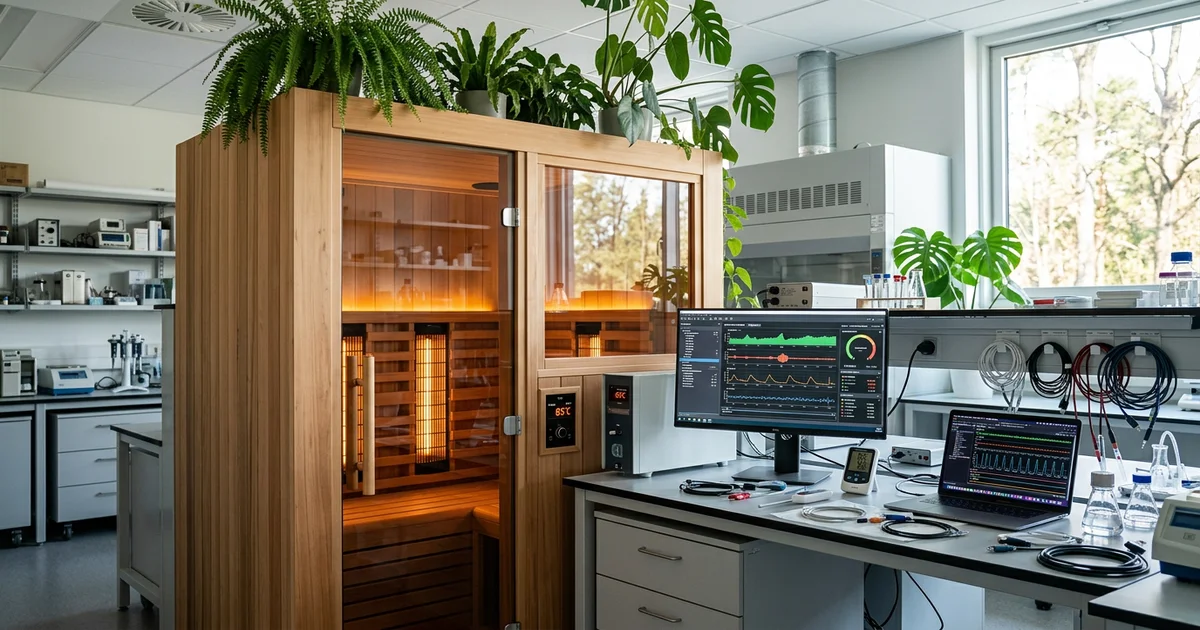
Sauna recovery longevity research has expanded considerably over the past two decades, shifting heat therapy from a cultural tradition into a subject of serious scientific inquiry. What began as a Finnish wellness practice has attracted attention from exercise physiologists, cardiologists, and gerontologists alike. The evidence accumulating around regular sauna use points toward meaningful benefits for physical recovery, cardiovascular health markers, and certain biological mechanisms associated with healthy aging. Understanding what the current literature actually says, and where its limitations lie, helps individuals and practitioners make more informed decisions about incorporating heat exposure protocols into broader wellness strategies.
When the body is exposed to high ambient temperatures inside a sauna, a cascade of physiological responses is triggered almost immediately. Core body temperature rises, heart rate increases to match levels seen during moderate aerobic exercise, and blood flow is redirected toward the skin and peripheral vessels to facilitate cooling. These responses are not passive reactions but active adaptations that, with repeated exposure, appear to train the cardiovascular and thermoregulatory systems in measurable ways.
One of the most discussed mechanisms is the upregulation of heat shock proteins, a class of molecular chaperones that help repair damaged or misfolded proteins inside cells. Research suggests that repeated thermal stress encourages the body to produce these proteins more readily, which may contribute to improved cellular resilience over time. This molecular-level response has drawn interest from researchers studying age-related cellular decline, since the accumulation of damaged proteins is considered a factor in several conditions associated with aging.
For a comprehensive overview of the research landscape in this area, see Biohacking Guide: Science-Based Protocols for Human Optimization Research, which maps the key topics and links to the detailed studies covered across this site.
Plasma volume expansion is another adaptation observed after consistent sauna use. As the body repeatedly confronts heat stress, it appears to increase the volume of blood plasma, which can improve oxygen delivery to working muscles and reduce the cardiovascular strain associated with both exercise and heat. Athletes and coaches working in endurance sports have referenced this mechanism when discussing heat acclimation protocols, noting its conceptual overlap with altitude training strategies. Those interested in related topics like cold water immersion and contrast therapy will find that the cardiovascular adaptations from heat and cold protocols share some overlapping mechanisms, though the direction of vascular response differs considerably.
The most frequently cited body of research in sauna recovery longevity research comes from large observational studies conducted in Finland, where sauna bathing is deeply embedded in daily culture. These studies followed thousands of middle-aged men over many years and found associations between more frequent sauna sessions per week and lower rates of certain cardiovascular events. The direction of these associations has been replicated across different population subsets, lending the findings a degree of consistency that researchers consider meaningful, even while acknowledging the inherent limitations of observational data.
Blood pressure response to sauna exposure has received particular attention. During a session, blood pressure typically drops as peripheral blood vessels dilate. Post-session measurements in regular users have shown patterns that practitioners associate with improved vascular flexibility. Arterial stiffness, a recognized marker of cardiovascular aging, appears to trend favorably in individuals who engage in regular heat exposure, according to several smaller controlled studies. The proposed mechanism involves the repeated dilation and relaxation of blood vessels functioning similarly to a low-impact vascular training stimulus.
It is important to approach these findings with appropriate nuance. Correlation between sauna frequency and cardiovascular outcomes does not establish causation. Individuals who use saunas regularly may also engage in other health-supportive behaviors, such as consistent exercise, lower alcohol consumption, and stronger social engagement. Researchers acknowledge this confounding variable problem and attempt to control for it statistically, but observational data carries inherent design limitations that cannot be fully eliminated.
Among strength athletes, endurance runners, and team sport competitors, post-exercise sauna use has become a common recovery practice. The proposed benefits center on several distinct physiological processes: increased blood flow to muscle tissue, facilitation of metabolic waste removal, promotion of relaxation through parasympathetic nervous system activity, and potential influence on hormonal recovery responses.
Growth hormone secretion appears to respond to sauna-induced heat stress, with some research suggesting that sessions of sufficient duration and temperature can produce meaningful acute spikes in circulating growth hormone levels. This finding has attracted attention from athletes interested in natural means of supporting muscle repair and recovery between training sessions. The magnitude of this response varies based on session length, temperature, and individual factors, and the clinical significance of these acute hormonal shifts for long-term adaptation remains an active area of inquiry.
Sauna use after resistance training has been examined in the context of muscle hypertrophy as well. Some preliminary research suggests that heat applied to muscle tissue post-exercise may help preserve muscle protein and support the anabolic environment following training. Practitioners working in sports performance have referenced these findings when designing recovery protocols, though they consistently note the need for more controlled, long-duration trials before drawing firm conclusions about practical programming recommendations.
For those also exploring topics like infrared light therapy and its interaction with tissue repair, it is worth understanding that traditional Finnish sauna, infrared sauna, and steam rooms operate through somewhat different mechanisms of heat transfer, even if the gross physiological responses share common features. The research base is also unevenly distributed, with far more data available on traditional dry sauna than on newer infrared formats.
The intersection of sauna use and longevity research has become one of the more compelling areas within the broader field of healthspan optimization. Several biological pathways implicated in aging appear to respond to thermal stress in ways that researchers consider potentially relevant to long-term health trajectory.
Autophagy, the cellular process by which damaged organelles and proteins are broken down and recycled, has been linked to heat stress in preclinical research. This process is considered a critical component of cellular maintenance and has been studied extensively in the context of fasting and caloric restriction. Heat exposure appears to activate some of the same molecular signaling pathways associated with autophagy upregulation, suggesting a degree of mechanistic overlap between these different interventions. For readers familiar with research on intermittent fasting and metabolic signaling, this parallel represents an interesting area of convergence.
Telomere biology has also entered the sauna longevity conversation. Telomeres, the protective caps at the ends of chromosomes, shorten with each cell division and are considered a marker of biological aging. Chronic stress, inflammation, and oxidative damage all accelerate telomere attrition. Some research has found associations between regular sauna use and lower markers of systemic inflammation, which theoretically could support telomere preservation indirectly, though direct evidence in humans remains limited and preliminary.
Brain health represents another frontier in sauna research. Brain-derived neurotrophic factor, a protein that supports the growth and maintenance of neurons, appears to increase following heat exposure in some studies. Given the interest in BDNF as a potential mediator of cognitive resilience and neuroplasticity, this finding has attracted attention from researchers working on age-related cognitive decline. Regular aerobic exercise is already well established as a BDNF stimulator, and heat stress may activate some of the same pathways, making sauna use a potentially complementary strategy for those unable to sustain high exercise volumes.
Translating sauna recovery longevity research into practical application requires attention to both the variables that appear to matter most in the research and the safety boundaries that should govern any heat exposure protocol. Temperature ranges in most research protocols fall between approximately 80 and 100 degrees Celsius for traditional Finnish sauna, with session durations typically ranging from 15 to 30 minutes. Frequency in the most-studied populations ranges from two to seven sessions per week, with higher frequencies generally associated with more pronounced associations in the observational data.
Hydration status before and after sauna use is consistently emphasized by practitioners. Significant fluid and electrolyte losses occur through sweating during a session, and entering a sauna already dehydrated increases the risk of adverse cardiovascular events. Post-session rehydration protocols are considered essential components of safe practice, not optional add-ons.
Certain populations require more careful consideration before adopting regular sauna use. Individuals with uncontrolled hypertension, active cardiovascular conditions, or pregnancy are generally advised to consult qualified healthcare providers before beginning any heat exposure regimen. The same applies to those taking medications that affect blood pressure regulation or thermoregulation. These considerations do not make sauna use inherently dangerous for healthy adults, but they underscore the importance of individual context in applying population-level research findings.
The timing of sauna use relative to training has also generated practical discussion. Some practitioners favor post-training sessions to take advantage of already-elevated core temperature and increased blood flow to muscle tissue, while others prefer rest-day sessions to avoid any potential interference with acute training adaptations. The research on this question is not yet definitive, and individual experimentation within safe parameters remains the practical guidance most commonly offered.
The sauna recovery longevity research landscape is genuinely promising but appropriately described as still maturing. The large Finnish observational studies provide important epidemiological signals, and the mechanistic research on heat shock proteins, cardiovascular adaptation, and cellular stress pathways offers plausible biological explanations for those signals. What the field still lacks is a substantial body of large-scale, long-duration randomized controlled trials in diverse populations, which would provide the causal evidence needed to move from association to recommendation with greater confidence.
Researchers are actively working to address these gaps. Ongoing trials are examining sauna effects across different age groups, fitness levels, and health conditions with more rigorous controls than were possible in earlier observational work. The growing intersection between sauna research and broader longevity science, including work on senescence, mitochondrial function, and hormetic stress responses, suggests that heat therapy will continue to be a meaningful thread in the larger tapestry of healthspan research for years to come.
For individuals already incorporating sauna use into a structured wellness routine that includes consistent exercise, adequate nutrition, quality sleep, and stress management, the current evidence provides reasonable support for viewing heat exposure as a complementary practice with a favorable benefit-to-risk profile in healthy adults. Those new to regular sauna use are well served by starting with shorter, lower-temperature sessions, progressing gradually, and treating the practice as one component of a comprehensive approach rather than a singular intervention.
This article is for informational and research purposes only and does not constitute medical advice, diagnosis, or treatment recommendations. The information presented here should not be used as a substitute for consultation with a qualified healthcare professional. Individual health circumstances vary significantly, and any changes to wellness protocols, including the introduction of regular sauna use, should be discussed with a licensed medical practitioner familiar with your personal health history. For research purposes only — not medical advice.